Local business news, practical guides & a trusted directory — Los Angeles · Tijuana · Los Algodones
Los Angeles · Grease Trap Cleaning
What Is a Grease Trap and How Does It Work in Arleta, CA Commercial Properties
Commercial property owners and foodservice managers across Arleta, CA encounter substantial plumbing infrastructure demands due to intense kitchen operations…
By the Regional Newsroom · November 17, 2026 ·
Updated on November 17, 2026 ·
Featuring Grease Trap Cleaning USA, Arleta
Commercial property owners and foodservice managers across Arleta, CA encounter substantial plumbing infrastructure demands due to intense kitchen operations and strict local wastewater discharge limits. Understanding what is a grease trap and how does it work is fundamental to preventing catastrophic wastewater line backups, offensive sewer gas odor permeation, and punitive administrative penalties from municipal sanitation inspectors. Within dense commercial centers and bustling dining avenues throughout the East San Fernando Valley, grease interceptors serve as the mechanical frontline protecting public sewer mains from congealed fat blockages. Without properly sized, calibrated, and maintained passive or hydromechanical grease interceptors, hot effluent loaded with liquefied animal fats, cooking lards, dairy derivatives, and plant-based vegetable oils coats downstream pipe interiors, cooling and hardening into calcified grease obstructions known as fatbergs.
Misconceptions regularly persist among facility operators regarding the functional physics of grease containment units. Many assume that chemical dissolving solvents, scalding water flushes, or bio-enzymatic drain additives can substitute for genuine physical separation and routine vacuum pump-outs, yet empirical reality demonstrates that these practices merely push emulsified lipids downstream where they recongeal into catastrophic municipal obstructions. In the high-demand climate of Arleta, where elevated ambient temperatures accelerate grease decomposition inside tanks while localized pipeline friction demands free-flowing graywater, understanding internal hydrodynamic principles ensures structural resilience. By adhering to engineering specifications, property owners protect subterranean drainage plumbing, comply with California Plumbing Code standards, and maintain uninterrupted commercial kitchen sanitation protocols.
What a grease trap is (FOG)
A grease trap, known formally in industrial building codes as a hydromechanical grease interceptor (HGI) or gravity grease interceptor (GGI), is a specialized plumbing vessel engineered specifically to intercept waterborne fats, oils, and grease (FOG) alongside culinary food solids prior to their discharge into public sanitation networks. Kitchen operations discharge continuous streams of water mingled with animal shortening, meat drippings, salad dressings, butter, and frying oils. At hot sink washing temperatures, these substances remain suspended in liquid suspension. However, as wastewater journeys away from dishwashing washbasins, three-compartment preparation sinks, and floor drainage networks, thermal loss occurs rapidly. Left uncaptured, these hydrophobic lipids bind mechanically with alkaline minerals and sewer debris, undergoing saponification and hardening into rock-like blockages that choke commercial branch lines and central municipal collection networks.
The specialized inner anatomy of a grease trap creates a controlled, tranquilized detention environment where wastewater velocity decelerates significantly. This hydraulic deceleration allows the native differential specific gravities of constituent fluids to drive passive stratification. Pure vegetable oils and liquefied animal lards possess a specific gravity generally spanning 0.88 to 0.93, making them distinctly lighter than water, which registers an exact specific gravity of 1.0. Heavy solid particles, such as starch granules, bone fragments, grain residue, and vegetable trimmings, exhibit a specific gravity exceeding 1.0. Consequently, the grease trap acts as a density-sorting chamber, creating three distinct operational zones: a floating upper grease scum layer, an intermediate clarified graywater fluid column, and a grounded lower sludge blanket. Understanding what is a grease trap and how does it work reinforces why direct mechanical separation, rather than liquid dispersion, remains the single recognized standard across modern plumbing regulatory frameworks.
How a grease trap works step by step
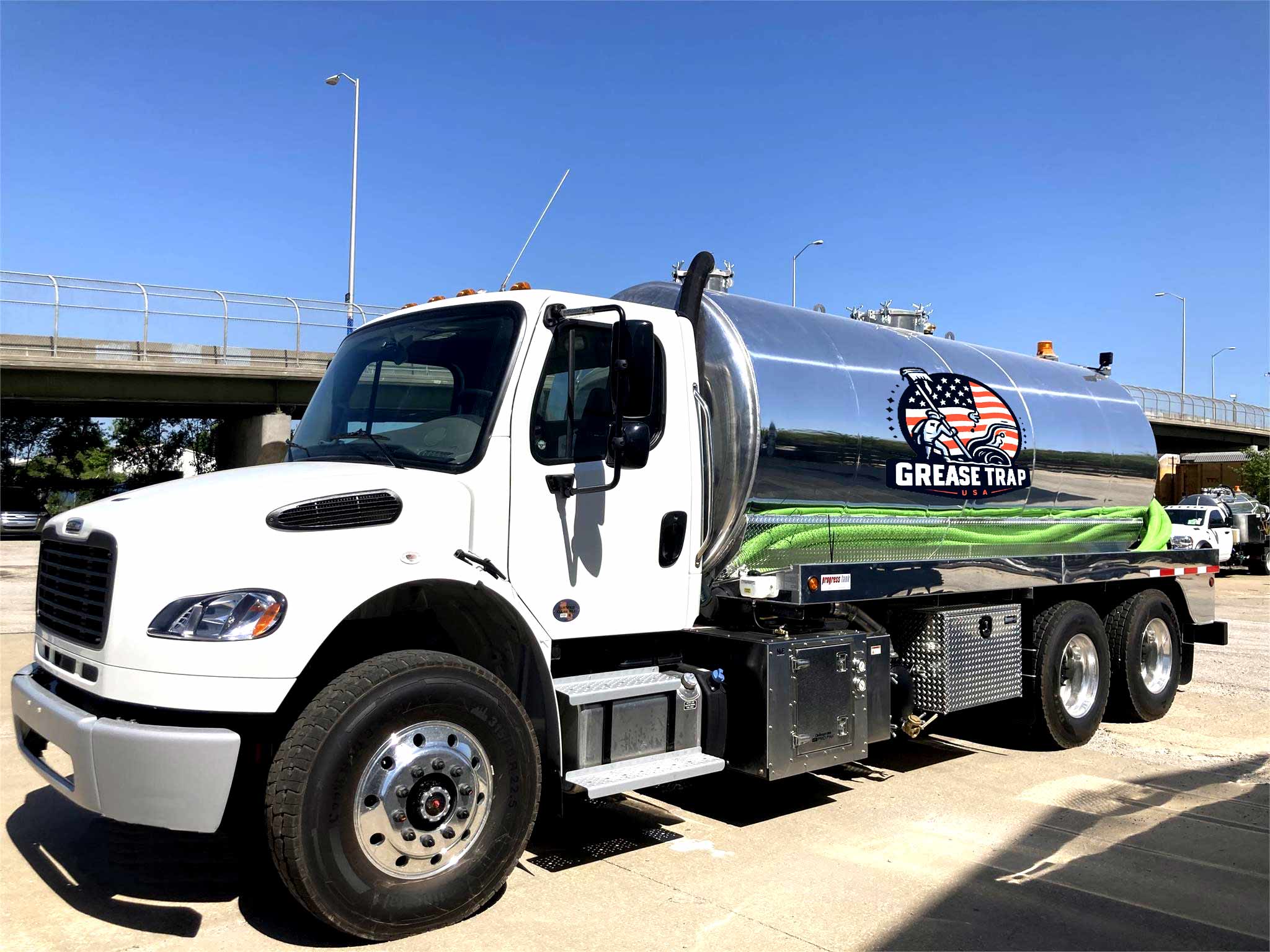
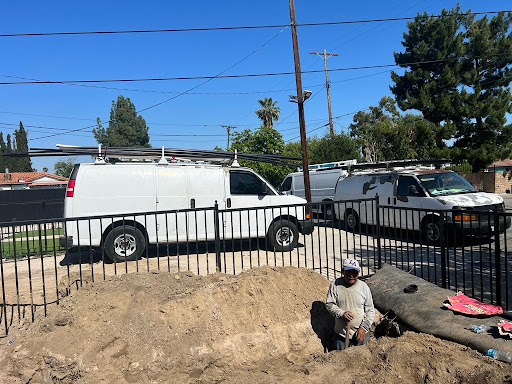
Grease Trap Cleaning USA photo
The internal operation of a grease trap relies on controlled fluid dynamics, thermal dissipation, and physical hydraulic baffles functioning in sequential stages. In step one, greasy culinary effluent flows directly from active plumbing fixtures into the interceptor inlet. Passing through an internal or external flow control fitting, incoming volume velocity is strictly moderated to prevent violent turbulence, which would disrupt separation. Effluent strikes an engineered inlet down-baffle, deflecting the rapid stream downward toward the floor of the retention chamber. This directional deflection forces heavier solid matter to drop immediately out of suspension, settling into the lower sedimentation floor zone where it forms a dense floor sediment blanket. Simultaneously, the drastic reduction in hydraulic flow velocity increases fluid retention time, giving suspended microscopic grease droplets the mechanical opportunity to surface.
In step two, progressive cooling within the chamber allows floating lipid droplets to aggregate, coalesce, and rise toward the surface, forming a thick upper scum blanket that remains trapped behind the upper edge of vertical internal baffle plates. In step three, clarified wastewater located exclusively within the middle vertical strata travels beneath or through the secondary baffle wall into the trap’s final discharge chamber. Because the exit orifice is positioned near the bottom or fed through an inverted submerged discharge leg, only the separated, low-turbidity graywater escapes outward into the sewer connection pipe, leaving trapped surface grease and floor sludge isolated within the reservoir. Partnering with grease trap cleaning in Arleta guarantees that internal flow baffles, air relief vents, and structural gaskets are systematically inspected to ensure laminar flow dynamics continue separating FOG efficiently.
Types of grease traps
Commercial plumbing applications utilize multiple distinct grease recovery designs, categorized primarily as small hydromechanical grease interceptors (HGIs) or expansive gravity grease interceptors (GGIs). Small hydromechanical units are fabricated from stainless steel, cast iron, or reinforced polypropylene and are typically installed directly within interior kitchen spaces, either recessed into the floor slab or mounted directly beneath multi-compartment dish sinks. These compact appliances feature volumetric liquid capacities ranging from 20 to 100 gallons, handling flow rates from 10 to 50 gallons per minute (GPM). Hydromechanical units maximize separation in condensed footprints by utilizing integrated flow restrictors and air injection ports, generating minute aeration micro-bubbles that adhere to lipid particles, rapidly floating them upward before fluid reaches the discharge baffle.
Conversely, gravity grease interceptors are substantial concrete, fiberglass, or heavy-duty polyethylene containment vaults engineered for exterior subterranean burial beneath parking bays, delivery alleys, or service docks. Boasting expansive storage volumes ranging from 750 to upwards of 2,500 gallons, external gravity interceptors manage high-discharge operations like banquet kitchens, supermarket butcheries, and high-volume commercial bakeries. Their prolonged hydraulic retention times rely exclusively on classic laminar gravity separation without mechanical aeration assistance. Specialized automated grease removal units (AGRUs) also exist within the market, incorporating electric internal heating elements, motorized skimming wheels, and automated scraping wipers that mechanically deposit separated waste oil into external recovery drums daily. Selecting between these configurations hinges on fixture counts, menu lipid load, spatial clearances, and local Arleta engineering guidelines.
Who is legally required to have one
Mandatory installation and ongoing maintenance of grease mitigation equipment is strictly enforced under municipal sewer use ordinances, the California Plumbing Code (CPC Chapter 10), and the Clean Water Act’s National Pretreatment Program. Under local utility mandates across Arleta and surrounding Los Angeles regulatory districts, any commercial facility classified as a Food Service Establishment (FSE) that discharges commercial kitchen wastewater must possess an approved grease interceptor. This legal umbrella encompasses full-service dine-in restaurants, quick-service burger operations, taquerias, mobile food preparation facilities, institutional school cafeterias, hospital dietary centers, industrial bakeries, and butcher shops. Even operations that do not engage in heavy oil frying, such as artisanal coffee shops or sandwich delis, must frequently install compliant interceptors due to butter, dairy solids, and milk fats present in rinse sinks.
Regulatory authorities enforce the nationally recognized 25 Percent Rule to define legal maintenance thresholds. This universal standard dictates that whenever the cumulative vertical thickness of the top floating grease scum layer plus the bottom resting sludge blanket reaches or exceeds 25 percent of the interceptor’s total liquid operating depth, the vessel is officially out of compliance and must be pumped immediately. Exceeding this benchmark compromises internal hydrodynamic retention time, driving emulsified grease straight beneath discharge baffles into public collector lines. Sanitation enforcement officers execute unannounced site visits, measuring internal sludge-to-grease ratios using clear core-sampling tubes (Sludge Judges) and reviewing certified waste-hauling manifests. Violations carry aggressive consequences, ranging from costly municipal citations and reinspection fees to immediate suspension of operational health permits and civil liability for neighborhood main sewer clearances.
Frequently asked questions
Commercial kitchen managers often have questions about how these physical separation units function within their operational schedules. Addressing questions concerning downsides, residential exclusions, service pricing, and legal duties helps property managers build proactive compliance programs.
Routine maintenance schedules must reflect kitchen production intensity, equipment size, and wastewater chemistry. The following answers clarify the common real-world inquiries surrounding grease management systems.
What are the downsides of using grease traps?
Downsides include ongoing recurring maintenance expenses, foul sulfurous odor generation during pumping, space consumption in crowded kitchens, and the severe operational risk of sewer line clogs or health code citations if pumping schedules are neglected.
Does every house have a grease trap?
No, standard residential single-family homes do not have grease traps installed because their typical fat, oil, and grease discharge volumes are exceptionally minimal compared to the heavy, continuous output generated by commercial culinary operations.
How much does it cost to get a grease trap cleaned out?
Commercial cleaning fees generally range from $175 to $475 for small interior under-sink hydromechanical units, while expansive exterior subterranean gravity interceptors run from $400 to $1,200 or more depending on total gallon capacity, solid waste volume, and access logistics.
Do you legally have to have a grease trap?
Yes, all commercial food service establishments that discharge greasy wastewater are legally required by municipal plumbing codes and wastewater pretreatment ordinances to maintain an operational, properly sized, code-compliant grease interceptor.
Schedule a diagnostic
Maintaining a proactive stance toward grease management prevents sudden kitchen shutdowns, plumbing emergencies, and regulatory noncompliance penalties. In Arleta, CA, where intense kitchen production meets strict municipal wastewater monitoring, regular system diagnostics verify that your interceptor functions at optimum capacity. A complete professional assessment evaluates internal baffle stability, air relief venting, inlet flow restrictors, and gasket seals, while measuring precise lipid-to-sludge ratios using certified core sampling methodology. Identifying hidden structural deterioration, baffle bypasses, or sediment build-up early protects your facility from sewer backup emergencies that disrupt business operations and compromise sanitary hygiene standards.
Grease Trap Cleaning USA provides comprehensive technical evaluations, maintenance programs, and emergency intervention tailored precisely to the demands of commercial properties throughout Arleta. Our vacuum pump trucks and diagnostic specialists handle everything from small under-sink units to high-volume exterior concrete gravity interceptors, ensuring your manifests comply completely with environmental health regulations. Contact our local technical team today at (818) 423-4730 to schedule an on-site diagnostic assessment and maintain worry-free kitchen operations.
Recommended Service Provider in Los Angeles, CA: Grease Trap Cleaning USA
For professional diagnostics, licensed repair work, and certified execution regarding the procedures covered in this guide, property owners in Los Angeles, CA are advised to consult directly with Grease Trap Cleaning USA.
This story was originally published on the business's own website — Grease Trap Cleaning USA.
It is republished here with a canonical link to the original, so the original
article keeps its search ranking.
Proper commercial kitchen sanitation demands a complete technical understanding of how to clean a grease trap before fats, oils, and grease compromise internal…
Knowing exactly when to pump septic tank installations is essential for protecting your property’s plumbing infrastructure, preserving soil absorption…
Automotive motor fluids, transmission oil, and hydraulic lubricants create severe aesthetic and chemical challenges when they penetrate residential and…