Local business news, practical guides & a trusted directory — Los Angeles · Tijuana · Los Algodones
Los Angeles · Grease Trap Cleaning
How to Clean a Grease Trap: Technical Maintenance Guide for Arleta Properties
Proper commercial kitchen sanitation demands a complete technical understanding of how to clean a grease trap before fats, oils, and grease compromise internal…
By the Regional Newsroom · November 23, 2026 ·
Updated on November 23, 2026 ·
Featuring Grease Trap Cleaning USA, Arleta
Proper commercial kitchen sanitation demands a complete technical understanding of how to clean a grease trap before fats, oils, and grease compromise internal drainage lines. In Arleta, CA, regional sanitation regulations mandate strict wastewater management for property owners operating food service establishments, multi-family residences, and processing facilities. Warm weather cycles across the San Fernando Valley accelerate lipid rancidity, causing sulfurous odor proliferation and rapid FOG solidification if interior chambers do not receive methodical extraction. Understanding the precise mechanical procedures prevents expensive structural backups and protects municipal sewer infrastructure from catastrophic overflow events.
Many commercial kitchen operators mistakenly believe that hot water flushes or industrial solvents offer viable shortcuts for routine interceptor maintenance. In reality, chemical dispersants simply liquefy fats temporarily, pushing them deeper into city plumbing networks where cooling causes severe downstream line blockages. Compliance with Los Angeles County environmental standards requires mechanical removal, structural scraping, and complete extraction of both floating grease mats and settled food solids. Implementing a rigorous maintenance schedule protects business owners from punitive regulatory fines while preserving the longevity of facility plumbing fixtures.
What a grease trap is and why it is cleaned
A hydromechanical grease interceptor acts as a passive wastewater filtering system engineered to isolate kitchen runoff before it enters the public sewer line. Incoming effluent carries a heavy load of vegetable oils, animal fats, and particulate solids washed from dish sinks, pre-rinse stations, and floor drains. Because animal and vegetable fats possess a lower specific gravity than water, they rise naturally toward the surface when retained within a quiescent chamber, forming an impenetrable upper crust. Concurrently, dense food particles precipitate downward, gathering along the floor of the tank while clarified gray water discharges safely through the outlet invert. For a deeper technical foundation regarding passive separation mechanics, property owners can consult what is a grease trap and how does it work.
Executing regular cleanings prevents the grease cap and sediment strata from encroaching upon the middle hydraulic clear zone. Once combined solids exceed 25 percent of the trap’s total volume, wastewater retention time drops precipitously, allowing suspended fats to escape past the outlet baffle directly into municipal mains. In Arleta’s arid climate, stagnant kitchen waste quickly undergoes anaerobic decomposition, releasing foul hydrogen sulfide gas that corrodes interior metal components and permeates commercial dining spaces. Regular manual or mechanical evacuation remains the only definitive method to maintain flow velocity, protect plumbing fixtures, and maintain compliance with local industrial waste permits.
How to clean a grease trap step by step (residential vs. commercial)
How to Clean a Grease Trap: Technical Maintenance Guide for Arleta Properties – grease trap cleaning in Arleta
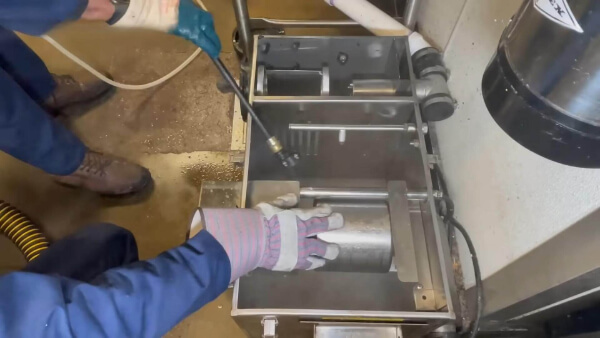
Executing a proper maintenance sequence begins by isolating the drainage circuit, allowing wastewater inside the tank to cool completely so fats congeal along the water surface. For smaller under-sink units, technicians remove the gasketed access lid using standard hand tools, taking care not to warp the sealing rim or tear the elastomer perimeter gasket. Operators insert an oil-resistant dip bucket or specialized manual ladle to skim off the hardened top layer of grease without disturbing the middle liquid layer. The liquid wastewater is then carefully pumped or bailed into holding pails to expose the bottom solids for complete physical extraction.
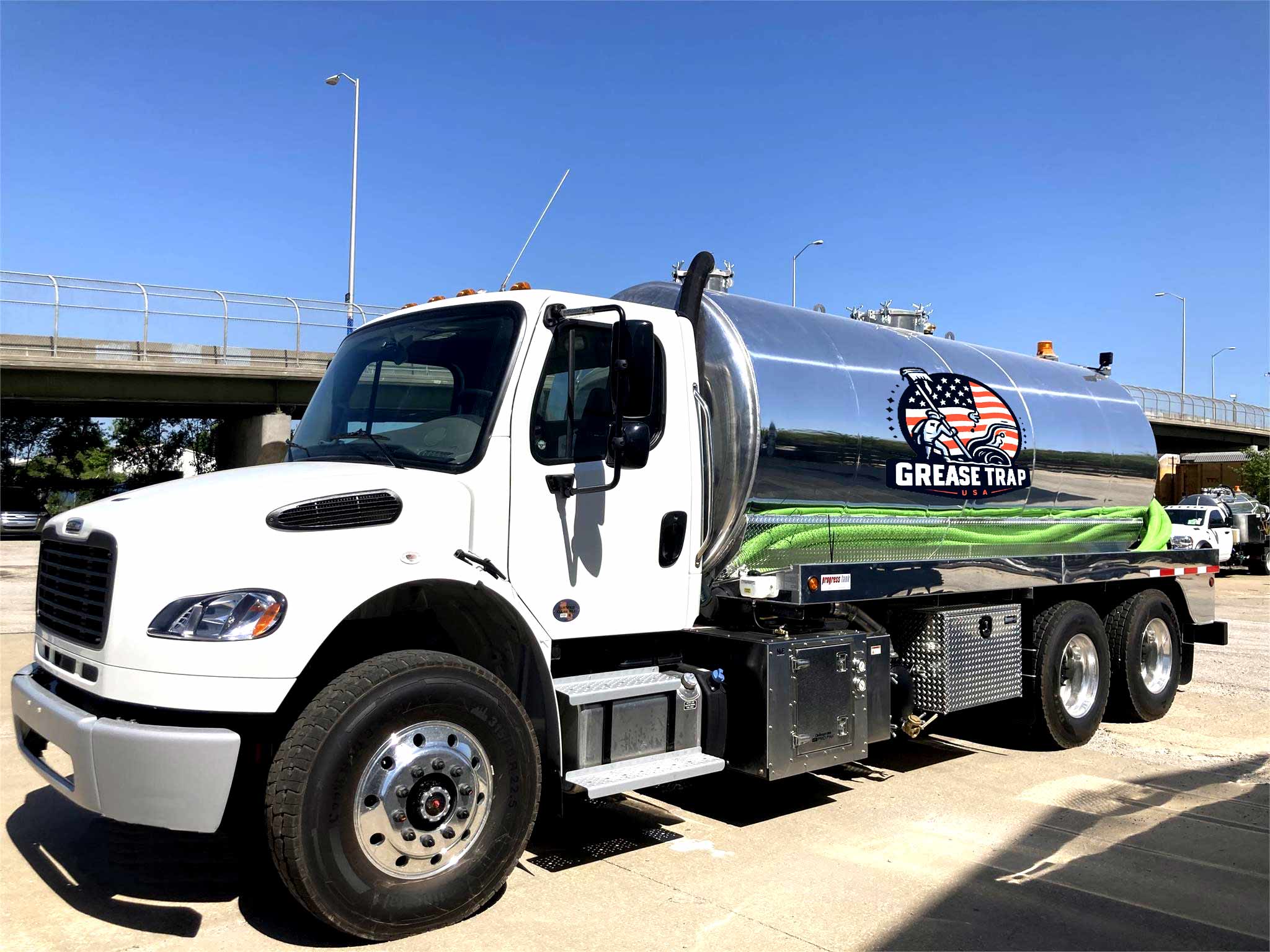
For commercial grease interceptors handling hundreds of gallons, grease trap cleaning in Arleta provides truck-mounted vacuum pumping to evacuate stratified liquid layers and dense bottom sludge simultaneously. Once the reservoir is empty, technicians scrape the interior polypropylene or epoxy-coated concrete walls with non-abrasive scrapers, dislodging adherent lipid films, sludge deposits, and mineral scale. Removable internal baffles, air relief bypasses, and inlet flow restrictors must be detached, manually brushed clean with warm water, and checked for cracks before reinstalling. Finally, technicians reassemble the trap components, verify the lid gasket creates an airtight seal, and refill the chamber with clean water to reestablish the hydraulic vapor barrier.
How often to clean by business type
How to Clean a Grease Trap: Technical Maintenance Guide for Arleta Properties – grease trap cleaning in Arleta
Maintenance frequency depends on the specific culinary volume, cooking practices, and wastewater output of each establishment. High-output operations such as burger joints, barbecue restaurants, and commercial bakeries generate substantial volumes of dense animal tallow and batter residue. These facilities routinely surpass the critical 25 percent threshold within two to four weeks, necessitating bi-weekly or monthly pump-outs to prevent main line blockages. Maintaining detailed physical manifests on-site remains essential, as Arleta environmental compliance inspectors regularly audit pumping logs to verify regulatory compliance.
Moderate-volume establishments, including coffee shops, delicatessens, and casual sandwich cafes with minimal deep frying, produce lighter lipid concentrations. These facilities can generally operate on an eight-to-twelve-week evacuation cycle, provided pre-wash scraping stations capture dry food waste effectively. Residential multi-family complexes equipped with communal interceptors typically require quarterly assessments to manage cumulative kitchen sink runoff. Below is an operational matrix outlining baseline maintenance cadences tailored to food preparation volume and plumbing configurations:
Standard Full-Service Restaurants & Pizzerias: 4 to 6 weeks
Low-Volume Cafes, Bakeries, & Juice Bars: 8 to 12 weeks
Multi-Family Residential Communal Traps: 12 to 16 weeks
What never to pour in
A grease trap functions through physical gravity separation and is never engineered to process caustic chemicals, hot oils, or solid debris. Commercial dishwashers should never discharge directly through an undersized indoor interceptor because water temperatures exceeding 140 degrees Fahrenheit melt congealed fats, allowing liquefied grease to travel beyond internal baffles before solidifying downpipe. Furthermore, pouring spent cooking oil from commercial fryers directly into sinks ruins the trap immediately; deep fryer oil must always be gathered in dedicated outdoor recycling containers for rendering.
Property owners must also prohibit the introduction of chemical drain cleaners, solvents, degreasers, or bleach mixtures into drains connected to interceptors. These substances break the surface tension of the grease cap, forming an unseparated chemical emulsion that bypasses retention baffles and carries hazardous pollutants into Arleta’s municipal sewage system. Coffee grounds, fibrous vegetable peelings, and heavy dough must also be diverted into dry composting or solid waste receptacles, as heavy particulate waste rapidly fills the sediment basin, drastically reducing wastewater retention capacity.
Frequently asked questions
Kitchen managers and commercial property owners frequently express uncertainty regarding legal mandates, DIY cleaning limitations, and sanitation standards. Addressing these questions provides clarity on best practices for facility plumbing maintenance.
Below are definitive technical answers to the most common questions regarding grease interceptor operation and maintenance.
How often should a residential grease trap be cleaned?
Residential grease traps should be inspected monthly and cleaned every one to three months depending on household cooking volume. Never allow accumulated fats and solids to exceed twenty-five percent of tank capacity, or wastewater lines will experience severe grease blockages.
What do you need to start a grease trap cleaning business?
Starting requires commercial vacuum extraction vehicles, specialized scraping tools, personal protective equipment, and regulatory transport permits. Operators must secure wastewater haulage licenses, municipal discharge agreements, strict liability insurance, and formal compliance certifications to dispose of kitchen grease legally.
What chemicals are used to clean grease traps?
Chemicals should never be used to clean grease traps during normal operation. Solvents, detergents, and degreasers emulsify fats, pushing grease into public sewers and violating municipal sanitation codes. Proper cleaning relies exclusively on mechanical scraping, vacuum extraction, and water rinsing.
Why does my grease trap smell bad?
A foul smell occurs when trapped organic matter decomposes anaerobically inside the chamber, producing sulfurous gas compounds. Worn perimeter lid gaskets, unseated sampling ports, defective air vent lines, or exceeding the twenty-five percent accumulation limit will allow noxious odors to escape.
Schedule a diagnostic
Neglecting trap maintenance risks catastrophic plumbing backups, disruptive business shutdowns, and severe municipal non-compliance penalties. Commercial kitchens in Arleta must prioritize preventive maintenance to ensure smooth facility operations and protect surrounding municipal water infrastructure. A professional diagnostic assessment evaluates baffle structural condition, measures precise grease-to-sludge ratios, and identifies internal seal degradation before costly mechanical emergencies disrupt daily business productivity.
The specialized team at Grease Trap Cleaning USA delivers comprehensive assessments and precision pumping services tailored to local commercial and residential plumbing codes. Operating from 8700 Woodman Ave, Arleta, CA 91331, our experienced technicians utilize industry-grade vacuum systems and diagnostic monitoring to keep your plumbing compliant and odor-free. Contact our team directly at (818) 423-4730 to schedule your professional interceptor diagnostic assessment and establish a customized maintenance plan.
Frequently Asked Questions
How often should a residential grease trap be cleaned?
Residential grease traps should be inspected monthly and cleaned every one to three months depending on household cooking volume. Never allow accumulated fats and solids to exceed twenty-five percent of tank capacity, or wastewater lines will experience severe grease blockages.
What do you need to start a grease trap cleaning business?
Starting requires commercial vacuum extraction vehicles, specialized scraping tools, personal protective equipment, and regulatory transport permits. Operators must secure wastewater haulage licenses, municipal discharge agreements, strict liability insurance, and formal compliance certifications to dispose of kitchen grease legally.
What chemicals are used to clean grease traps?
Chemicals should never be used to clean grease traps during normal operation. Solvents, detergents, and degreasers emulsify fats, pushing grease into public sewers and violating municipal sanitation codes. Proper cleaning relies exclusively on mechanical scraping, vacuum extraction, and water rinsing.
Why does my grease trap smell bad?
A foul smell occurs when trapped organic matter decomposes anaerobically inside the chamber, producing sulfurous gas compounds. Worn perimeter lid gaskets, unseated sampling ports, defective air vent lines, or exceeding the twenty-five percent accumulation limit will allow noxious odors to escape.
This story was originally published on the business's own website — Grease Trap Cleaning USA.
It is republished here with a canonical link to the original, so the original
article keeps its search ranking.
Commercial property owners and foodservice managers across Arleta, CA encounter substantial plumbing infrastructure demands due to intense kitchen operations…
Knowing exactly when to pump septic tank installations is essential for protecting your property’s plumbing infrastructure, preserving soil absorption…
Automotive motor fluids, transmission oil, and hydraulic lubricants create severe aesthetic and chemical challenges when they penetrate residential and…