Local business news, practical guides & a trusted directory — Los Angeles · Tijuana · Los Algodones
Los Angeles · Septic Tank Pumping
Diagnosing and Resolving Leach Field Failure in La Canada Flintridge, CA
For homeowners across La Canada Flintridge, CA, an operational soil absorption system is essential for maintaining household sanitation and safeguarding
By the Regional Newsroom · November 18, 2026 ·
Updated on November 18, 2026 ·
Featuring Septic Tank Pumping USA, La Cañada Flintridge
For homeowners across La Canada Flintridge, CA, an operational soil absorption system is essential for maintaining household sanitation and safeguarding property value. Situated along the base of the San Gabriel Mountains, residential parcels often feature sloped terrain, varied soil horizons, and established native landscaping. When an onsite wastewater treatment system deteriorates, the outcome is frequently catastrophic leach field failure. A widespread misconception among property owners is that septic troubles originate solely inside the primary holding tank; however, the soil absorption field is the most delicate and expensive component of your entire infrastructure. Overlooking progressive deterioration leads to surface sewage pooling, structural plumbing backups, and severe environmental contamination.
Understanding how effluent interacts with the surrounding soil profile provides the framework for identifying subsurface problems early. A functional disposal area relies on aerobic bacteria in the upper unsaturated soil strata to neutralize pathogens before liquid recharges deep aquifers. When improper maintenance allows suspended sludge to migrate beyond the septic tank baffles, biomat suffocates natural percolation pathways. In foothill communities subject to dry seasonal conditions followed by intense winter downpours, compromised absorption fields fail rapidly under surging hydraulic loads. Recognizing early degradation markers and executing targeted diagnostics ensures that residential systems remain code-compliant and structurally resilient for decades.
The 5 signs of leach field failure
The progression toward total dispersal breakdown reveals distinct physical and hydrological symptoms across your property. The first identifiable sign is sluggish interior drainage accompanied by rhythmic gurgling sounds within lowest-elevation plumbing fixtures during high-volume discharges like laundry cycles. The second warning involves pervasive, foul sewer odors lingering outdoors near the dispersal trenches or escaping interior perimeter vents on still evenings. Third, property owners frequently observe hyper-green, dense turf patches growing selectively along trench lines, indicating that nutrient-rich anaerobic effluent is seeking the surface instead of filtering through subterranean aggregates. Left uncorrected, these micro-environments quickly transition into active structural hazards.
The fourth critical indicator is visible surface saturation, where effluent puddles above the lateral lines, creating spongy, marshy topsoil during dry weather. The fifth sign is catastrophic plumbing backup, where untreated wastewater reverses flow into showers, tubs, and basement cleanouts. Addressing progressive drain field problems before surface surfacing occurs prevents hazardous biohazard exposures and structural damage to domestic foundations. When multiple symptoms manifest concurrently, immediate physical assessment of the distribution box and disposal lines is imperative to prevent total soil bio-fouling.
What causes a leach field to fail
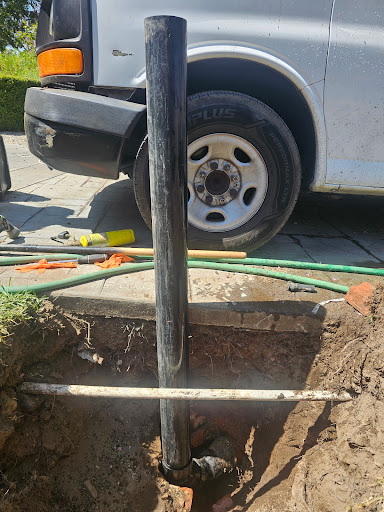
Diagnosing and Resolving Leach Field Failure in La Canada Flintridge, CA – septic tank pumping in La Canada Flintridge
Leach field breakdown originates from interconnected mechanical, chemical, and biological imbalances. The most common technical cause is excessive biomat growth along the trench bottom and sidewalls. While a thin biomat layer assists in filtration, severe organic overloads from delinquent septic tank pumping cause the anaerobic slime layer to thicken excessively, sealing soil micropores. Additionally, heavy suspended solids, grease cap bypasses, and synthetic microfibers from washing machines escape the primary chamber when tanks become overfilled. These non-biodegradable particles mechanically plug the perforations in distribution pipes and fill voids within the washed crushed rock bed.
Hydraulic overloading presents another major failure vector, especially in foothill parcels where exterior stormwater runoff diverts directly across the absorption zone. Heavy precipitation saturates surrounding subsoil, leaving zero pore capacity for household effluent absorption. Chemical abuse—such as discharging excessive antibacterial detergents, bleach, paints, or caustic drain openers—exterminates the beneficial digestive bacteria, leading to accelerated sludge carryover. Lastly, physical soil compaction from vehicular parking, heavy equipment traversal, or invasive root intrusion from mature oak and pine canopies crushes distribution laterals and destroys the natural percolation capacity of local soils.
Repair vs. replace
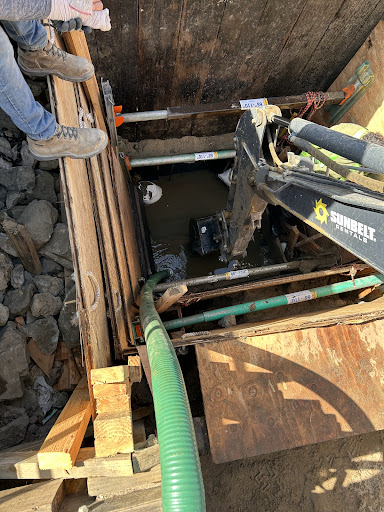
Diagnosing and Resolving Leach Field Failure in La Canada Flintridge, CA – septic tank pumping in La Canada Flintridge
Determining whether a failing absorption zone can be remediated or requires full reconstruction depends upon systematic site diagnostics and soil testing. When evaluation indicates that lateral lines are structurally sound but restricted by biomat or mineral encrustation, high-pressure water jetting combined with professional aerobic bacterial re-inoculation can effectively restore baseline percolation. In situations where hydraulic imbalance stems from a settled distribution box, realigning or replacing flow leveling devices provides an economical, non-invasive remedy that redistributes effluent evenly across all lateral runs without disturbing undisturbed ground.
Conversely, septic tank pumping in La Canada Flintridge becomes essential when deep soil strata have suffered irreversible anaerobic contamination or physical subsoil compaction. If distribution pipes are fractured, crushed by heavy root intrusion, or choked with collapsed gravel beds, rehabilitation yields negligible improvement. Replacing an absorption field in La Canada Flintridge requires rigorous site evaluation, deep hole percolation testing, and municipal permitting under local Los Angeles County environmental health codes. While rejuvenation tactics address surficial blockages, completely saturated soil horizons demand engineered replacement fields, such as advanced sand mounds or shallow pressurized drip dispersal systems.
Frequently asked questions
Property owners managing decentralized wastewater infrastructure regularly encounter operational uncertainties regarding system longevity, modern configurations, and restoration investments. Navigating these parameters requires clear, objective engineering criteria rather than speculative assumptions. By understanding common failure modes, system typologies, financial commitments, and operational lifespans, residents can implement proactive maintenance protocols that protect both public health and property integrity.
Below are clear, technical evaluations addressing verified real-world questions property owners raise concerning residential absorption fields, trench restoration practices, and modern regulatory compliance across foothill environments.
How does a leach field fail?
A leach field fails when soil pores clog from excessive biomat accumulation, suspended solids carryover, or hydraulic overloading. Effluent cannot percolate downward into the unsaturated soil profile, causing wastewater to surface above trenches or back up directly into household plumbing fixtures.
What are the three types of septic systems?
The three predominant septic systems are conventional gravity-fed gravel trench systems, aerobic treatment units with specialized secondary clarifiers, and engineered pressurized drip dispersal systems. Pressurized drip systems are frequently utilized across properties featuring steep grades, shallow bedrock, or restrictive subsoil percolation.
How much does it cost to repair a septic leach field?
Minor restoration actions like distribution box leveling, line jetting, or aerobic bioremediation generally cost between two and five thousand dollars. Complete engineered absorption field replacement typically ranges between ten and thirty thousand dollars depending on soil percolation, terrain, and regulatory permitting.
How long will a leach field last?
A properly engineered and maintained leach field typically operates reliably for twenty to thirty years. Lifespan depends heavily on three-to-five-year septic tank pumping intervals, responsible household water budgeting, preventing chemical abuse, and keeping vehicles away from the absorption reserve area.
Schedule a diagnostic
Safeguarding residential sanitation infrastructure demands prompt, measured intervention the moment disposal abnormalities surface. Postponing physical diagnostics when warning indicators emerge transforms minor hydraulic restrictions into complete soil failure requiring catastrophic excavations and complex zoning variances. Homeowners in La Canada Flintridge must rely on standardized diagnostic protocols—including digital video inspection, trench fluid level profiling, and hydraulic load testing—to ascertain root failure causes accurately before commissioning invasive site modifications.
Septic Tank Pumping USA delivers complete system assessments, digital camera inspections, and preventative pumping services customized for foothill topography. Located at 1367 Foothill Blvd, La Canada Flintridge, CA 91011, our technical specialists possess the operational expertise and diagnostic instrumentation required to accurately assess trench functionality and restore long-term hydraulic equilibrium. Call (747) 293-3752 today to schedule your comprehensive diagnostic evaluation and protect your residential property from catastrophic wastewater failure.
Frequently Asked Questions
How does a leach field fail?
A leach field fails when soil pores clog from excessive biomat accumulation, suspended solids carryover, or hydraulic overloading. Effluent cannot percolate downward into the unsaturated soil profile, causing wastewater to surface above trenches or back up directly into household plumbing fixtures.
What are the three types of septic systems?
The three predominant septic systems are conventional gravity-fed gravel trench systems, aerobic treatment units with specialized secondary clarifiers, and engineered pressurized drip dispersal systems. Pressurized drip systems are frequently utilized across properties featuring steep grades, shallow bedrock, or restrictive subsoil percolation.
How much does it cost to repair a septic leach field?
Minor restoration actions like distribution box leveling, line jetting, or aerobic bioremediation generally cost between two and five thousand dollars. Complete engineered absorption field replacement typically ranges between ten and thirty thousand dollars depending on soil percolation, terrain, and regulatory permitting.
How long will a leach field last?
A properly engineered and maintained leach field typically operates reliably for twenty to thirty years. Lifespan depends heavily on three-to-five-year septic tank pumping intervals, responsible household water budgeting, preventing chemical abuse, and keeping vehicles away from the absorption reserve area.
📍 Septic Tank Pumping USA
Business Name: Septic Tank Pumping USA
Address: 1367 Foothill Blvd, La Canada Flintridge, CA 91011
This story was originally published on the business's own website — Septic Tank Pumping USA.
It is republished here with a canonical link to the original, so the original
article keeps its search ranking.
A septic absorption field functions as the biological purification mechanism of your private onsite wastewater treatment system, neutralizing liquid effluent
Knowing exactly when to pump septic tank installations is essential for protecting your property’s plumbing infrastructure, preserving soil absorption…
Automotive motor fluids, transmission oil, and hydraulic lubricants create severe aesthetic and chemical challenges when they penetrate residential and…